Imagine investing thousands of dollars in new flooring, only to realize after installation that your favorite sofa overwhelms the room, the traffic flow feels awkward, and the carefully selected color palette suddenly looks darker than expected.
Scenarios like this are surprisingly common. According to renovation professionals, many of the most expensive remodeling mistakes aren’t caused by poor craftsmanship—they happen because key design decisions are made before homeowners have a clear vision of the finished space.
For years, people relied on paint swatches, flooring samples, mood boards, and imagination to plan renovations. While these methods are still useful, they often make it difficult to understand how every design choice works together once the room is complete.
That’s why more homeowners are turning to Virtual Staging before they hire a contractor, purchase materials, or begin demolition. By creating realistic digital previews of a space, they can evaluate design ideas with confidence, reduce uncertainty, and avoid costly changes later in the project.
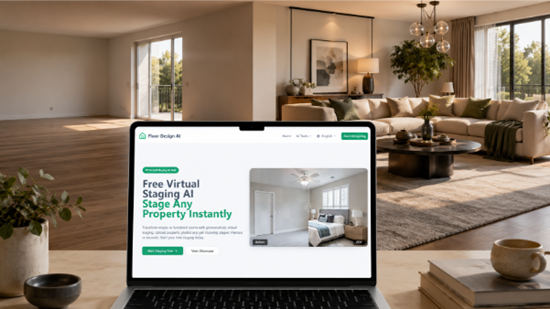
Renovation Success Begins Long Before Construction
Many people believe a renovation starts when the first wall comes down.
In reality, successful projects begin much earlier—with planning.
Interior designers often encourage homeowners to think about a room as a complete environment rather than a collection of individual products. Flooring, furniture, lighting, wall colors, and décor all influence one another. Making decisions separately increases the risk of creating a space that feels disconnected.
This is one reason renovation budgets often grow unexpectedly. A flooring material may look beautiful in a showroom but appear completely different under natural daylight. A dining table that seemed perfectly sized on paper may interrupt the flow of an open-plan living area.
These aren’t installation problems—they’re planning problems.
Seeing the Whole Space Changes Better Decisions
One of the greatest advantages of digital visualization is context.
Instead of evaluating a hardwood sample on its own, homeowners can see how it interacts with wall finishes, kitchen cabinets, furniture, artwork, and natural lighting. Rather than imagining whether a modern or Scandinavian style will feel more comfortable, they can compare complete room designs before making a single purchase.
This ability to evaluate an entire space—not just individual products—helps homeowners make decisions with greater confidence.
Professional designers have used visualization techniques for years because they understand that people respond better to complete environments than isolated materials. Today, those same advantages are becoming accessible to homeowners through AI-powered design technology.
Virtual Staging Is No Longer Just for Real Estate
Virtual staging first became popular as a marketing tool for empty properties. By digitally furnishing vacant homes, real estate professionals could help buyers understand the potential of a space without physically moving furniture.
Today, its role has expanded far beyond property listings.
Homeowners now use Virtual Staging during renovation planning to test different interior styles, compare furniture layouts, evaluate flooring materials, and explore color palettes before construction begins.
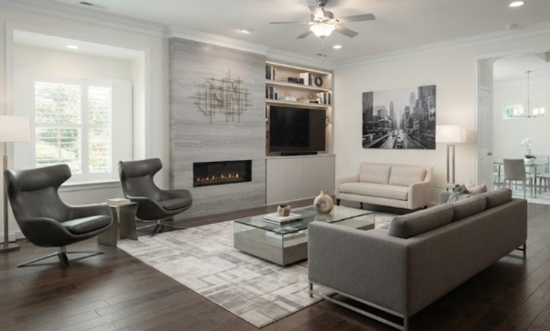
Imagine planning a living room renovation.
A warm oak floor may look perfect on its own. But after introducing dark cabinetry, oversized furniture, and limited natural light, the room could feel much smaller than expected.
With digital staging, those design conflicts become visible long before materials are ordered, making adjustments far easier—and far less expensive.
Great Interiors Start with Great Floor Design
Beautiful homes don’t happen because every individual element is expensive.
They succeed because every element works together.
Architects often spend considerable time refining room layouts before recommending finishes, knowing that circulation, natural light, and furniture placement have just as much influence on a home’s comfort as flooring materials or paint colors.
The same principle applies to homeowners planning their own renovations.
A thoughtful Floor Design strategy considers how flooring connects different rooms, supports everyday movement, complements furniture placement, and creates visual continuity throughout the home. Looking at the complete design instead of isolated decisions often produces interiors that feel more balanced, functional, and timeless.
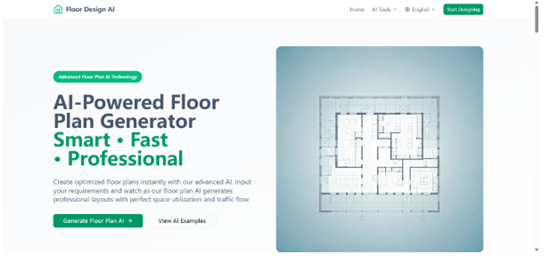
Better Planning Leads to Better Conversations
Renovation projects rarely involve just one decision-maker.
Homeowners, partners, interior designers, contractors, suppliers, and installers all contribute to the final result. Yet each person may visualize the project differently.
Without a shared reference, conversations can become surprisingly difficult.
A homeowner’s idea of “modern” may differ significantly from a contractor’s interpretation. One person imagines an open and airy living room, while another focuses primarily on functionality.
Digital visualization gives everyone the same point of reference.
Instead of discussing abstract ideas, teams can review realistic room concepts together, evaluate alternatives, and make informed decisions before construction begins. This often reduces misunderstandings, minimizes late-stage revisions, and creates a smoother renovation experience for everyone involved.
The Future of Renovation Is Smarter, Not More Expensive
The most successful renovation projects aren’t always the ones with the biggest budgets.
They’re usually the ones where homeowners spend more time planning than correcting mistakes.
Artificial intelligence isn’t replacing interior designers or contractors. Instead, it’s helping homeowners ask better questions earlier in the process, compare more possibilities, and make decisions with greater confidence.
As digital visualization continues to become a standard part of home improvement, planning a renovation is shifting from imagination to informed decision-making.
The best renovation choices are rarely made in a showroom.
They’re made long before construction begins—when ideas can still be explored, refined, and improved without increasing the budget. And that’s exactly why virtual staging is becoming one of the smartest first steps in modern home renovation.
Company Details
Company Name: ZingFront HongKong Limited
Contact Person: Rebecca
Email: [email protected]
Phone: 17824679865
Address: HongKong, China
Website: https://floordesign.ai/