For years, selling furniture online came with a major challenge: inventory.
Retailers needed warehouse space, large upfront investments, and complex logistics operations just to get started. Unlike smaller products, furniture is expensive to store, costly to ship, and often difficult to return.
Today, a different model is gaining momentum.
Furniture dropshipping suppliers are helping online retailers sell large product catalogs without purchasing inventory upfront or managing fulfillment themselves. Instead, suppliers handle storage, shipping, and returns while retailers focus on growing their business.
As online furniture sales continue to grow, specialized suppliers are becoming one of the driving forces behind modern e-commerce.
Why Furniture Dropshipping Is Growing
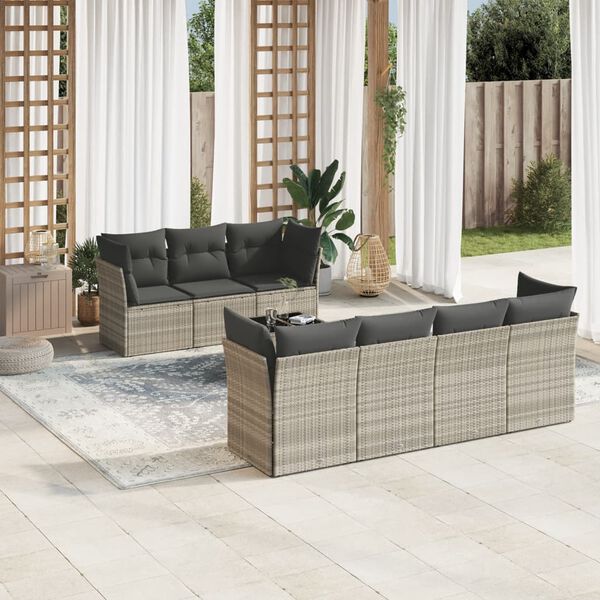
Consumer behavior has changed significantly over the past decade. Buying furniture online is no longer unusual. Shoppers are increasingly comfortable purchasing sofas, dining tables, office furniture, outdoor sets, and home décor products without visiting a physical store.
What customers expect, however, is a smooth experience. Fast delivery, reliable product availability, and hassle-free returns have become standard expectations.
Meeting those expectations requires strong logistics infrastructure.
That is why furniture dropshipping has evolved from a niche business model into a serious opportunity for retailers looking to enter the market without the costs traditionally associated with furniture retail.
The Role of Modern Furniture Dropshipping Suppliers
Not all dropshipping suppliers are built for furniture.
Large and bulky products require specialized warehousing, packaging, freight management, and returns handling. General dropshipping suppliers often struggle to meet these requirements consistently.
Modern furniture dropshipping suppliers have invested specifically in these areas.
One example is dropXL, a furniture dropshipping platform that gives online retailers access to more than 90,000 products across furniture, home & garden, and home décor categories. Retailers can sell products without holding inventory while benefiting from warehouse fulfillment across Europe, the United States, the United Kingdom, Australia, Japan, and the UAE.
This type of infrastructure helps retailers offer a broader product selection while maintaining reliable delivery times for customers.
Why Logistics Matters More Than Ever
In furniture e-commerce, logistics often determines whether a retailer succeeds or struggles.
A well-designed online store can attract visitors, but customer satisfaction depends heavily on what happens after the purchase. Delayed deliveries, damaged products, and complicated returns can quickly affect customer trust and profitability.
This is why suppliers with strong logistics networks have become increasingly important.
By positioning inventory closer to customers and managing fulfillment efficiently, furniture dropshipping suppliers help retailers deliver a better buying experience without investing in their own warehouse operations.
In many ways, logistics has become a competitive advantage rather than simply an operational requirement.
Access to Large Product Catalogs Creates Growth Opportunities
One of the biggest advantages of furniture dropshipping is access to extensive product catalogs.
Traditional retailers are often limited by storage capacity and inventory budgets. Expanding into new categories usually requires additional investment and operational complexity.
With dropshipping, retailers can add thousands of products to their online stores without purchasing stock upfront.
This allows businesses to:
- Test new product categories
- Expand into seasonal collections
- Reach new customer segments
- Enter international markets more easily
For growing e-commerce businesses, this flexibility can accelerate expansion while reducing financial risk.
Traditional Furniture Retail vs Furniture Dropshipping
Traditional furniture retailers typically invest heavily in inventory, warehousing, and fulfillment operations before generating sales.
Furniture dropshipping works differently.
The supplier stores inventory, processes orders, manages shipping, and often handles returns. Retailers only purchase products after a customer places an order.
As a result, businesses can launch and scale with significantly lower upfront investment.
Many modern suppliers also operate commission-free models, allowing retailers to keep full control over their pricing strategy and profit margins rather than paying fees on every sale.
This combination of lower risk and greater flexibility is one of the reasons furniture dropshipping continues to attract entrepreneurs and established retailers alike.
What Should Retailers Look for in a Furniture Dropshipping Supplier?
Choosing the right supplier can have a direct impact on long-term success.
When evaluating furniture dropshipping suppliers, retailers should consider:
- Product catalog size
- Warehouse locations
- Shipping performance
- Returns management
- Platform integrations
- Inventory availability
- Customer support
- Pricing structure
Suppliers that combine strong logistics, large product catalogs, automation, and transparent pricing often provide the best foundation for growth.
Looking Ahead
The future of furniture e-commerce is becoming increasingly connected to the suppliers that support it behind the scenes.
As consumers expect faster delivery, greater product choice, and a seamless shopping experience, retailers need access to infrastructure that allows them to compete effectively without taking on unnecessary operational costs.
Furniture dropshipping suppliers are helping make that possible.
By combining large product catalogs, global logistics networks, automation, and commission-free selling models, they are enabling businesses to launch, grow, and expand more efficiently than ever before.
As online furniture sales continue to increase, suppliers that can deliver reliable fulfillment at scale will play an even bigger role in shaping the future of retail. Platforms like dropXL demonstrate how modern furniture dropshipping suppliers are evolving from simple fulfillment providers into growth partners for online retailers around the world.