A deck should be the best seat in the house on a rare sunny Seattle evening. But our climate puts every outdoor structure to the test.
Deck installation in Seattle has to plan for constant rain, rot, and slippery, moss-covered boards. The right approach beats all three.
This guide covers the materials and details that make a deck last and stay safe here. Let us build something you can enjoy for years.
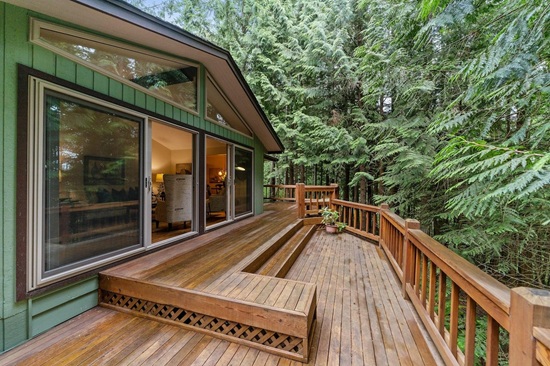
The Two Big Enemies: Rot and Slip
Constant Moisture Means Rot Risk
Our wet season keeps deck wood damp for months, and damp wood rots. The framing, posts, and ledger are all at risk if not built right.
Deck installation in Seattle has to defend against moisture everywhere. The structure under the boards matters as much as the surface.
Moss Makes Boards Slippery
Shaded, north-facing decks grow moss and algae that turn boards dangerously slick. A pretty deck that is slippery half the year is a hazard.
Homes in Ballard, West Seattle, and Shoreline deal with this every winter. Material choice helps a lot here.
Materials Built for the PNW
Composite Decking
Composite boards do not rot and resist moss far better than wood. Many have textured, slip-resistant surfaces ideal for our climate.
They cost more upfront but need minimal upkeep. For deck installation in Seattle, composite is a popular long-term choice.
Cedar and Hardwoods
Cedar resists rot naturally and looks beautiful, while dense hardwoods are extremely durable. Both need regular sealing to handle our rain.
If you love real wood, commit to the maintenance. Sealed and cared for, these woods perform well here.
Pressure-Treated Framing
Whatever the surface, the framing should be pressure-treated for moisture resistance. The hidden structure is where rot does its quiet damage.
A pro builds the bones to last. That is what keeps a deck safe underfoot.
Details That Prevent Problems
Flashing and Drainage
Proper flashing where the deck meets the house keeps water out of the wall. Gaps between boards let rain drain instead of pooling.
These details stop the slow rot that fails decks early. They are easy to do right and costly to skip.
Ventilation Underneath
Airflow under the deck helps the structure dry between rains. A deck built too close to wet ground traps moisture and rots faster.
Good clearance and ventilation extend a deck’s life. It is a detail experienced builders never overlook.
Working With a Local Deck Pro
Local Builders Know the Climate
A team that builds decks across Seattle understands our rain and moss firsthand. That knowledge guides materials and construction.
When we added our deck, Contour Fence used composite boards, treated framing, and proper flashing built for our wet winters. The crew that got our deck sorted before the rains hit planned for moisture everywhere, and you can see how they approach deck installation from framing to finish.
Plan for Safety and Longevity
A great deck looks good and stays safe in every season. Slip-resistant surfaces and rot-proof construction deliver both.
Smart deck installation in Seattle is built for our reality. It rewards you with years of safe use.
Frequently Asked Questions
What is the best decking material for Seattle’s climate?
Composite decking is a top choice because it does not rot and resists moss, often with slip-resistant textures. Cedar and dense hardwoods also work well but need regular sealing. The right pick depends on your budget and how much maintenance you want.
How do I keep my deck from getting slippery in Seattle?
Choose slip-resistant materials like textured composite, keep the deck clear of moss and debris, and ensure good drainage and sunlight where possible. Regular cleaning prevents the algae and moss that cause slick boards. A pro can recommend the safest materials for shaded decks.
Why do decks rot so quickly in the Pacific Northwest?
Our long wet season keeps wood damp for months, and moisture in the framing, posts, and ledger leads to rot. Decks built too close to wet ground or without proper flashing fail fastest. Treated framing and good drainage prevent this.
How long does a deck last in Seattle?
A well-built composite deck can last decades, while sealed cedar or hardwood decks last many years with maintenance. Poor construction or untreated wood can fail much sooner. Quality materials and moisture details make the difference.
Do I need a permit to build a deck in Seattle?
Many decks require permits depending on their size and height, and the work must meet code. A licensed local builder handles permitting and inspections. Confirming this upfront keeps your project compliant.