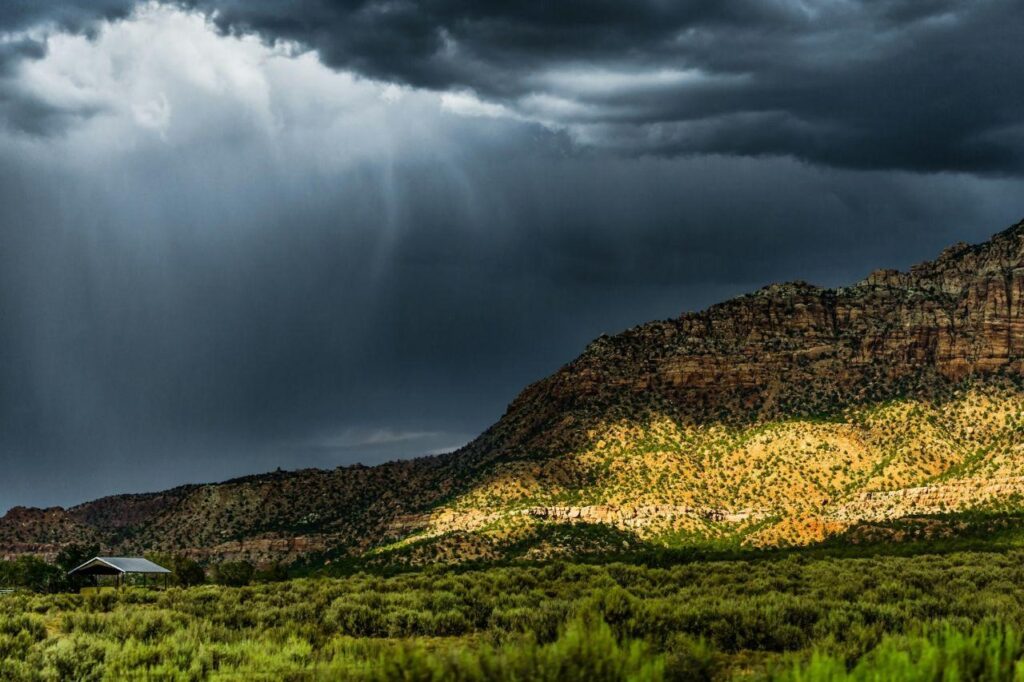
Summer thunderstorm in Arizona
March 21, 2025 – Extreme weather events are forcing people to leave their homes. Wildfires, floods, and heatwaves are making some areas too dangerous to stay in. As these disasters become more frequent, more families are packing up and starting over in safer places. Extreme weather is changing where people move, shifting populations in ways that many never expected. Some are leaving temporarily, while others know they can never return. This growing trend, known as climate migration, is already shaping cities, economies, and communities worldwide.
What Is Climate Migration?
Climate migration happens when people move because of weather-related disasters or long-term environmental changes. Some leave after sudden events like hurricanes or wildfires. Others relocate due to slow changes, such as rising sea levels or ongoing droughts. In many cases, these moves are not by choice but out of necessity. When homes, farmland, or entire communities become unlivable, people must find new places to live.
This kind of migration is happening more often. Scientists warn that extreme weather will keep worsening, forcing even more people to move. Some return home after a disaster, but many never do. As the climate changes, so does the map of where people can safely live.
How Big Is This Problem?
Climate migration is no longer a small or distant issue—it’s affecting millions. According to the United Nations, over 20 million people are displaced every year due to weather-related disasters. That’s like the entire New York City metro area being forced to move annually. Some relocate within their own country, while others cross borders in search of safety and stability.
By 2050, researchers estimate that climate migration could affect over 200 million people worldwide. Many will face the challenge of getting used to a different climate and adapting to new temperatures, weather patterns, and ways of life. A family moving from a cool northern city to a hotter, drier region, for example, may struggle with extreme heat or water shortages. As more people relocate, governments and communities will need to prepare for these major shifts.
Why Are More People Moving Now?
More people are moving now because extreme weather events are becoming stronger and more frequent. Wildfires burn for longer, destroying entire towns. Floods hit with little warning, leaving communities underwater. Heatwaves make some cities unbearable, especially for those without air conditioning. These disasters used to be rare, but now they happen so often that recovery becomes nearly impossible.
In some places, the problem isn’t a sudden disaster but a slow, steady change. Droughts make farming impossible, forcing families to seek new jobs elsewhere. Rising sea levels threaten coastal cities, pushing residents inland. With each passing year, more communities face the difficult choice of staying in risky areas or moving somewhere safer.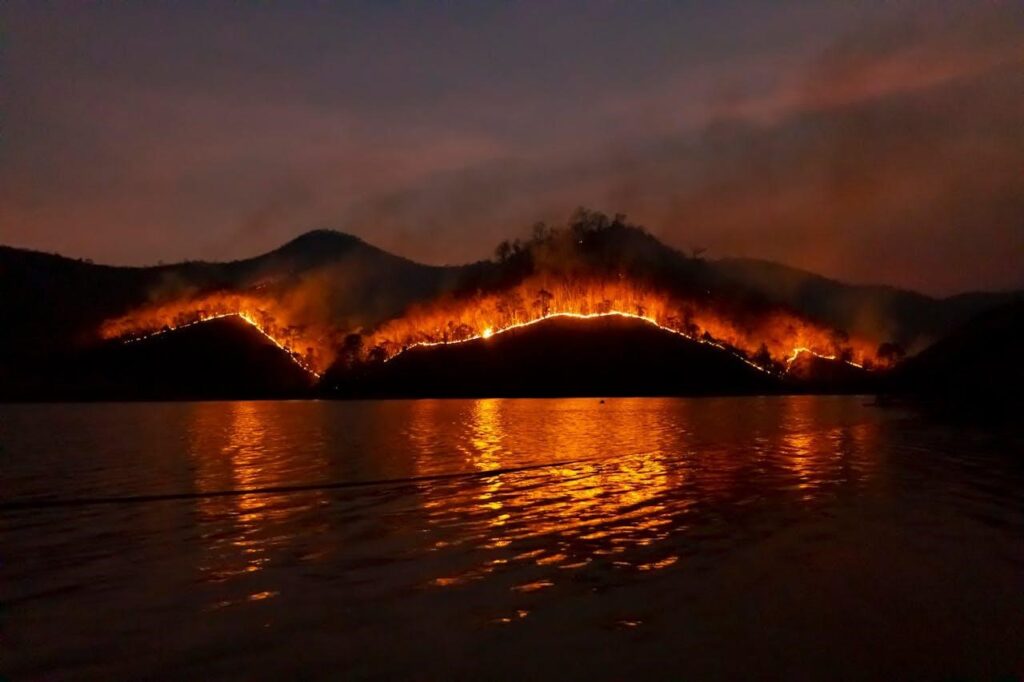
Wildfire on a mountain
Extreme weather is changing where people move and is becoming more frequent by the day.
Where Are People Moving From?
People are leaving areas where daily life has become too risky or unsustainable. Coastal towns are losing residents as rising sea levels flood streets and homes, sometimes permanently. Entire neighborhoods are abandoned after repeated storms, making rebuilding impossible. In wildfire-prone regions, families move rather than live under the constant threat of losing everything. Farmers in drought-stricken areas are forced to relocate when their land no longer produces enough crops to survive. Some island nations are seeing entire communities leave as the ocean swallows their shores, with no hope of reversing the damage. Even cities with extreme heat are becoming less livable, pushing people toward cooler regions. As these threats grow, more areas will struggle to keep their populations from shrinking.
Where Are They Going?
Many people move to nearby cities that offer safety and resources. After hurricanes or wildfires, displaced families often seek temporary shelter in urban areas. Some end up staying permanently, especially if their hometowns are too damaged to return to. Cities with stable weather and strong economies tend to attract more climate migrants.
Others are choosing cooler regions with fewer environmental risks. Northern states in the U.S., parts of Canada, and higher-altitude areas are seeing slow but steady population increases. Some governments are even relocating entire villages to safer locations. In Alaska, for example, coastal communities threatened by rising sea levels have been moved inland. As extreme weather reshapes where people can live, migration patterns will continue to change.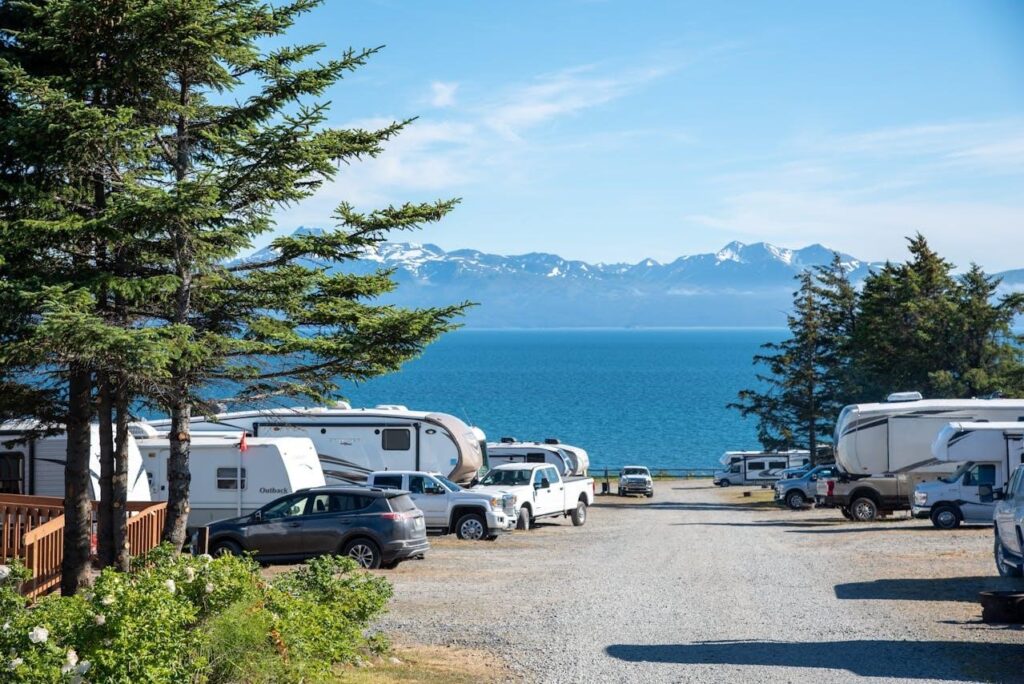
Homer, Alaska
Picturesque coastal communities are now in danger of flooding.
How Extreme Weather Is Changing Where People Move – and What It Means for You
Climate migration is already affecting communities, and you may notice changes in your own area. If you live in a safer region, new arrivals could increase demand for housing, jobs, and public services. More people moving in can boost the local economy, but it can also raise home prices and strain resources. Some cities are already struggling to keep up with the growing number of climate migrants.
If you live in a high-risk area, the effects might look different. Property values could drop as more people leave, and insurance costs may rise. Businesses might close if too many customers move away. Extreme weather is changing where people move, and that shift impacts everything from real estate to job markets. Even if you’re not moving, your city or town could look very different in the coming years.
What Can Be Done?
There are several ways to address climate migration before it becomes a bigger problem. Governments need to create plans for people who are forced to move. This includes offering support to communities that take in climate migrants, such as providing more housing and improving infrastructure. Cities must invest in safer buildings, better disaster response systems, and climate-resilient infrastructure to protect against future disasters.
On a personal level, if you live in a high-risk area, it’s a good idea to consider your options early. Preparing for the possibility of relocating can save you from being caught off guard. Supporting policies that address climate change and migration can help, too. The more people demand action, the faster solutions will come. Everyone has a role to play in easing the impacts of climate migration.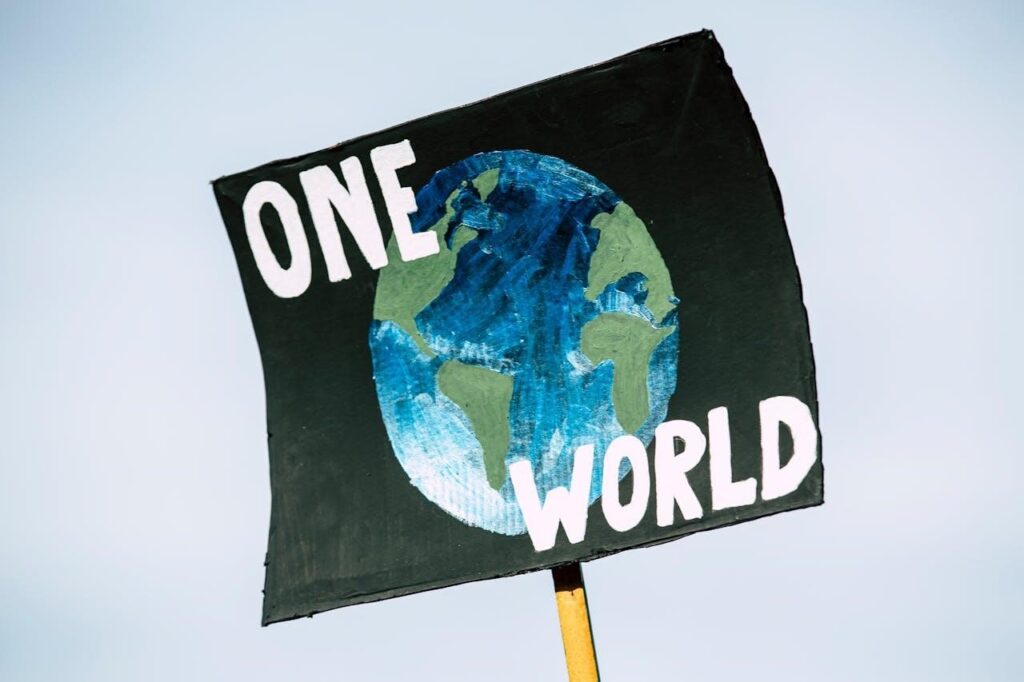
Sign saying “One World”
Our planet’s future depends on our unity and action today
Wrapping Up
Climate migration is a growing issue that’s reshaping communities and lives around the world. As extreme weather events become more frequent, people are being forced to leave their homes in search of safety and stability. Extreme weather is changing where people move, and it’s something that will continue to impact more regions as time goes on. While this shift presents challenges, it also opens the door for new solutions and opportunities. By understanding the causes and effects of climate migration, we can better prepare for the changes ahead and work together to create safer, more resilient communities for everyone.
————
Meta Description: Discover how extreme weather is changing where people move. Learn the impacts of climate migration on communities worldwide.
KW: Extreme Weather Is Changing Where People Move