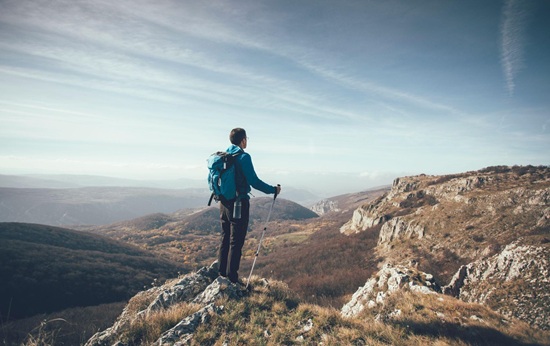
As Paul Favret knows all too well, many professionals eventually reach a crossroads, questioning whether their long-established path still aligns with their personal values and aspirations. Shifts in motivation often come subtly, spurred by fleeting moments of clarity amid demanding workdays. Changing a career involves more than changing jobs; it requires confronting uncertainty, rediscovering passions, and reimagining what success could look like.
Leaving the Corporate World Behind
For Paul, the change was far from straightforward, yet it opened up new perspectives. Years spent working as an energy executive involved managing high-stakes projects, overseeing large teams, and making complex decisions daily. The role demanded attention to detail and a constant push for results, leaving little space for anything outside the office.
Over time, the structured environment and relentless pace began to feel constraining. Long meetings, endless negotiations, and the pressure to deliver quarterly targets became routine. A growing sense of restlessness set in for him, prompting questions about staying the course or seeking something more meaningful.
Searching for a New Purpose
During moments of reflection, his thoughts turned to what brought real satisfaction outside of professional success. Memories of traveling, outdoor adventures, and time spent in nature came to mind. Paul’s idea of blending passion with work began to take shape, offering a contrast to the familiar pace of corporate life.
A chance encounter with a seasoned guide during a hiking trip sparked further curiosity. Conversations during that journey highlighted the possibility of a more fulfilling lifestyle—one shaped by exploration rather than endless deadlines. These experiences slowly shifted priorities, making personal fulfillment a greater focus than the time-honored career milestones.
Preparing for a Career Change
Research into adventure tourism revealed that the industry valued storytelling, leadership, and problem-solving skills honed during years in the boardroom. Reading about others who made similar transitions reassured Paul that change was possible, even after decades in a single field. It became clear that experience managing teams and navigating unpredictable situations would be valuable assets in a new industry.
Planning the next steps took time, with careful consideration of finances and family support. Uncertainty lingered, but the prospect of aligning work with personal interests outweighed the risks. Reaching out to others in the industry helped make the transition less daunting and laid the groundwork for what would come next.
Taking the First Steps
Switching from conference rooms to winding trails required courage and adaptability. Paul’s first season as an adventure tour guide felt unfamiliar yet invigorating. Each day brought new challenges, from planning routes to ensuring group safety, but the satisfaction of leading others through breathtaking landscapes made every hurdle worthwhile.
Support from his family and old colleagues played a key role during the adjustment period. Advice from seasoned guides and feedback from early clients helped shape a unique guiding style. Little by little, the transition felt less like a leap and more like a natural evolution. Adjusting to outdoor life also meant learning to accept nature’s unpredictability, which stood in sharp contrast to the structured corporate world.
Applying Executive Skills in Adventure Tourism
The skills gathered in the corporate world proved surprisingly useful when guiding tours. Leadership and decision-making helped Paul manage diverse groups and respond to unexpected changes on the trail. The ability to read people and communicate effectively made a noticeable difference in creating memorable experiences for guests.
Earning certifications and learning the technical aspects of guiding brought fresh challenges, yet the drive to succeed remained just as strong as it had been in the boardroom. Bringing a business mindset to logistics and trip planning also made operations run more smoothly, setting a high standard for each trip.
Insights Gained from the Journey
Overcoming obstacles along the way, from managing unpredictable weather to learning new regulations, brought a deeper appreciation for flexibility and resilience. These lessons extended well beyond work, shaping a refreshed perspective on what it means to succeed.
Paul’s journey from executive to adventure guide offered unexpected rewards. The experience stands as a reminder that it’s possible to carve out a new path, even after years spent building a different kind of career. Those considering change may find that taking the first step opens doors to growth, challenge, and fulfillment in ways the boardroom never could.