A new Metrics section on onepaymentplan.com explains two numbers that consumers can calculate before comparing debt relief options.
One Payment Plan has added a Metrics section to its official website with a set of new guides that cover debt-to-income and credit utilization ratios. The guides are written for consumers with significant unsecured debt who want to understand their own finances before comparing debt relief options or speaking with a provider.
Both numbers can be worked out with a recent pay stub and a few account statements. Both also come up when lenders review a consumer’s situation.
“People often start to compare debt relief companies before they’ve looked closely at their own numbers,” said a One Payment Plan spokesperson. “These two figures take a few minutes to calculate, and knowing them makes the first conversation with any provider more useful.”
Debt is common in the United States. According to the Federal Reserve’s 2022 Survey of Consumer Finances, 77.4% of U.S. families held some type of debt. For households carrying high-interest debt, especially credit card debt, the harder question is which approach fits their situation, if any.
The debt-to-income guide explains how to divide total monthly debt payments by gross monthly income, which means income before taxes rather than take-home pay. The calculation counts rent or mortgage, car loans, personal loans, and the minimum payments on credit cards. Utilities, groceries, and subscriptions are left out.
The guide also walks through common mistakes. Using net pay instead of gross pay changes the result. So does leaving out a card’s minimum payment, or forgetting to recalculate after taking on a new loan or paying one off.
The credit utilization guide covers a different measure: how much of a consumer’s available credit is in use. The math is total card balances divided by total credit limits. The guide notes that a single card close to its limit can matter even when overall utilization looks moderate.
Neither number settles anything on its own. Together, they give consumers a clearer view of the cost of carrying debt and of how a lender may see the same situation.
That matters because the main debt relief options work differently. Debt consolidation typically involves a new loan, and lenders generally look at income and existing debt before approving one. A debt management plan, usually arranged through a credit counseling agency, sets a structured repayment schedule for existing balances. Debt settlement involves negotiating to pay less than the full amount owed and carries its own costs and effects on credit. Credit counseling on its own can also help a consumer build a budget and review options.
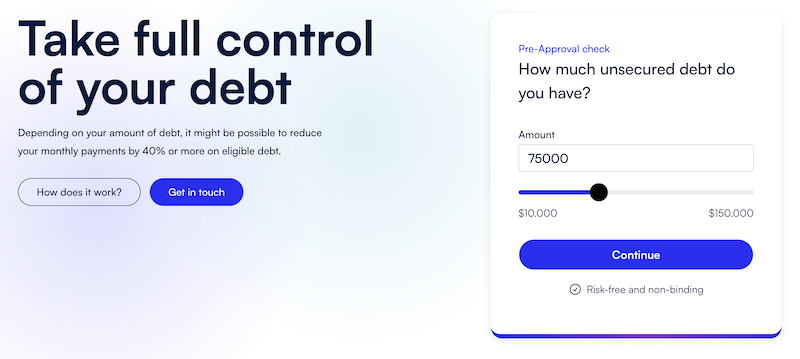
One Payment Plan‘s comparison platform helps consumers explore these approaches and connect with vetted providers. The comparison process considers information supplied by the consumer to help identify potentially relevant providers and options. A provider then evaluates the consumer’s situation and explains any program they may qualify for. The consumer decides whether to continue, without an obligation to enroll.
Consumers can use One Payment Plan’s comparison platform without paying an upfront fee to One Payment Plan.
Knowing these figures can also help consumers notice warning signs. A company that promises specific results before reviewing a consumer’s income, balances, or payment history is a reason to slow down. Legitimate debt relief providers explain how their programs work, what they cost, and how long they may take. Clear answers to those questions are one of the simpler ways to tell legitimate debt relief apart from debt relief scams.
The Metrics guides join OPP’s existing financial education and financial literacy articles on debt management, debt relief, and budgeting, including the snowball and avalanche repayment methods. The articles are written in plain language for readers who want to understand where they stand before deciding how to handle minimum payments or high-interest balances.
The new guides are available now on the official website.
One Payment Plan Inc. is a U.S. financial services comparison platform that helps consumers with significant unsecured debt understand available debt relief options and connect with vetted financial service providers. The company also provides educational resources designed to help consumers better understand debt settlement, debt management, consolidation and other approaches before making a financial decision.
Contact Details:
Business: One Payment Plan Inc
Contact Name: Elias Ervill
Contact Email: [email protected]
Website: https://onepaymentplan.com
Country: United States